
Blog
Understanding the psychology behind gambling behavior in casinos

Understanding the psychology behind gambling behavior in casinos
The Allure of Gambling: A Psychological Perspective
Gambling is deeply ingrained in human culture and psychology, attracting millions to casinos worldwide. The allure often stems from a combination of excitement, risk, and the potential for financial gain. For many, the thrill of uncertainty engages the brain’s reward systems, releasing neurotransmitters like dopamine, which create feelings of pleasure and satisfaction. This biochemical response can lead individuals to pursue gambling even when the odds are not in their favor, illustrating a compelling interplay between behavior and motivation. Online platforms like betinia-ca.com capture this excitement effectively, providing an array of gaming options that appeal to diverse audiences.

The phenomenon of “near misses” also plays a significant role in gambling psychology. When players experience outcomes that are close to winning, their brains often interpret these moments as victories rather than losses. This reinforcement can encourage continued gambling, leading individuals to believe that they are just one step away from a big win. Casinos are adept at utilizing this concept, designing games and environments that foster a sense of hope and perseverance, ultimately heightening the gambling experience.
Social factors also contribute to the psychology of gambling. The camaraderie found in casino settings can amplify the enjoyment of the experience, making it more than just a solitary endeavor. Gamblers may feel a sense of belonging or community as they engage with others. The social interaction involved in gaming can distract players from the financial stakes, allowing them to revel in the moment and further complicating their understanding of the risks involved.
The Role of Cognitive Biases in Gambling
Cognitive biases heavily influence gambling behavior, impacting decision-making processes and rational thinking. One common bias is the illusion of control, where gamblers believe they can influence outcomes in games of chance, such as dice or card games. This overestimation of their skill level leads them to gamble more frequently, even when faced with unfavorable odds. Casinos often leverage this bias through promotional campaigns that emphasize skill-based games, thereby attracting players who believe they have an advantage. Understanding the history of gambling provides valuable insights into why these biases are so prevalent.
Another cognitive bias prevalent in gambling is the gambler’s fallacy, where individuals erroneously believe that past outcomes affect future results. For example, a player may think that a losing streak increases their chances of winning in subsequent rounds. This misbelief can lead to continued betting despite mounting losses, as players become entrapped in a cycle of irrational thinking. Understanding these biases is crucial for both gamblers and operators aiming to promote responsible gambling practices.
The combination of cognitive biases and emotional responses creates a potent mix that can make gambling behavior compulsive. Players may experience escalating emotions, from the excitement of winning to the despair of losing, which can cloud judgment. These emotional swings may prompt individuals to chase losses, demonstrating how the interplay between cognition and emotion can perpetuate gambling addiction. By recognizing these psychological factors, individuals can better understand their motivations and develop healthier relationships with gambling.
Gambling addiction poses significant psychological challenges for individuals, leading to detrimental effects on mental health. The compulsive urge to gamble often leads to financial difficulties, strained relationships, and increased stress levels. As individuals continue to gamble in hopes of recouping losses, they can become trapped in a cycle that exacerbates their emotional and psychological struggles. Identifying the signs of gambling addiction is crucial for early intervention and recovery.
Many who experience gambling addiction report feelings of anxiety, depression, and even loneliness. The stigma associated with addiction can exacerbate these feelings, isolating individuals from supportive communities. As they withdraw from friends and family, their mental health may decline further, making it essential to foster open conversations about the risks of gambling and the importance of seeking help. Access to support services and counseling can significantly improve recovery outcomes.
Research suggests that cognitive-behavioral therapy (CBT) is an effective treatment method for gambling addiction. CBT helps individuals recognize and alter harmful thought patterns associated with gambling behavior. By addressing the psychological triggers that lead to compulsive gambling, individuals can develop healthier coping strategies. Increasing awareness of treatment options and support networks is vital in combating gambling addiction and promoting mental well-being within the gambling community.
The architecture and ambiance of a casino significantly impact gambling behavior, as these elements are meticulously crafted to enhance the gaming experience. Casinos employ a range of sensory stimuli—such as lights, sounds, and even scents—to create an enticing atmosphere that encourages players to stay longer and gamble more. The absence of clocks and windows further disorients players, making it difficult to gauge time and prompting extended play sessions.
Casinos also use strategic layouts to influence movement and behavior. For instance, high-stakes areas are often situated near less intense gaming zones, guiding players through a journey that maintains engagement. This thoughtful design can manipulate players into encountering games they might not have initially chosen, thereby increasing overall gambling activity. Understanding these design elements helps players become more aware of how their environments influence their gambling choices.
Moreover, promotional tactics, such as comp programs and bonuses, play a crucial role in shaping gambling behavior. Players are often enticed by the prospect of rewards, creating an incentive to engage in further gambling activities. These promotions can lead to an escalation of play, as individuals may feel compelled to meet certain thresholds to unlock benefits. By recognizing the influence of casino design and promotions, gamblers can make more informed choices and remain mindful of their limits.
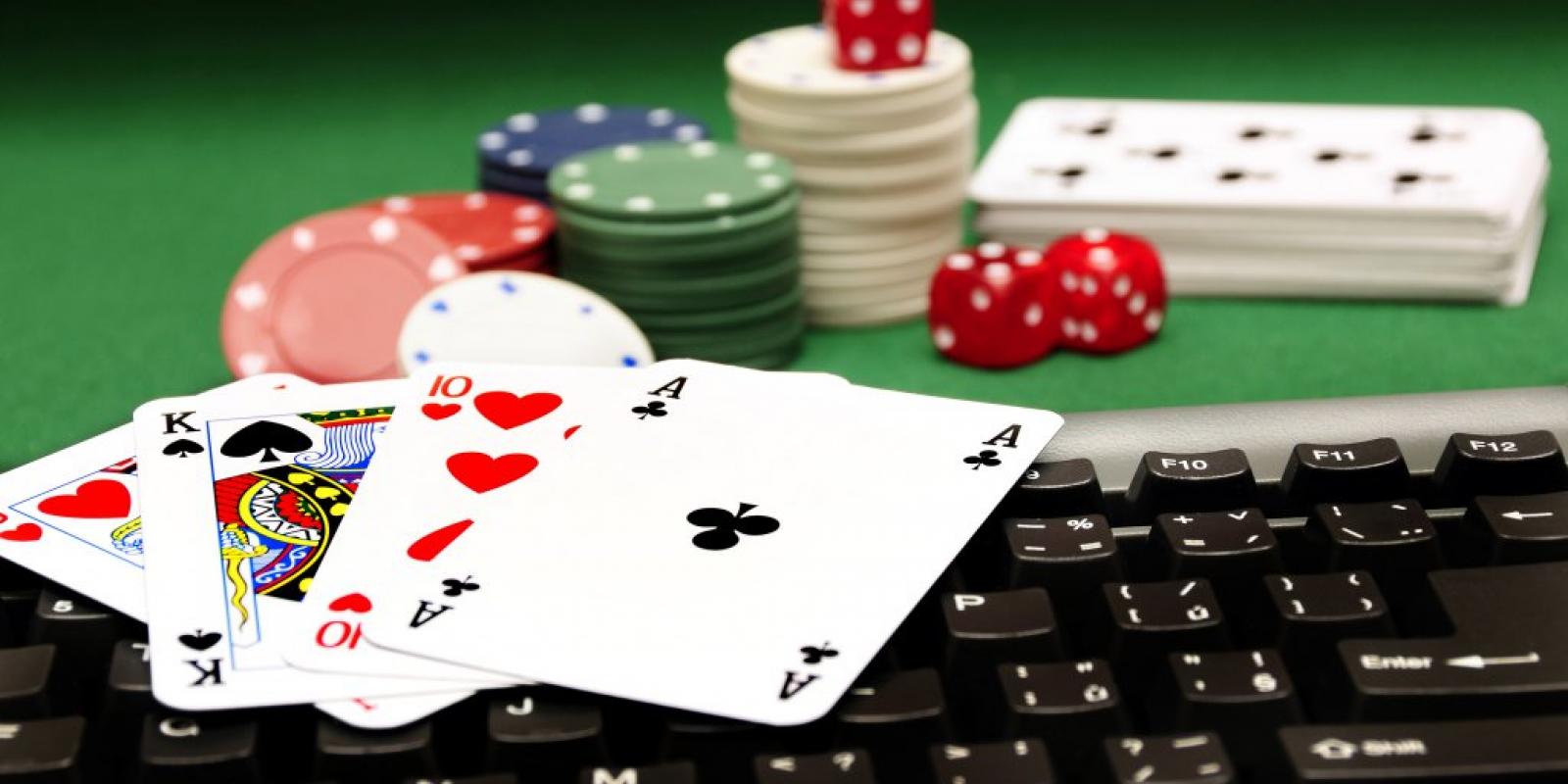
Betinia: A Comprehensive Online Casino Experience
Betinia offers a unique online casino platform designed to enhance the gaming experience for both novice and seasoned players. With a generous welcome bonus and a diverse array of games, Betinia provides an engaging environment that resonates with the psychology behind gambling behavior. By understanding players’ motivations and preferences, the platform curates a selection of top-quality games that keep users coming back for more.
The user-friendly interface at Betinia is tailored to promote ease of navigation, allowing players to explore various gaming options effortlessly. From popular slots to thrilling live casino experiences, Betinia aims to cater to a wide audience, enhancing the overall enjoyment of online gambling. By harnessing psychological principles, the platform strives to create a responsible gaming atmosphere where players can indulge while being mindful of their limits.
In conclusion, Betinia exemplifies how an online casino can successfully blend entertainment with an understanding of gambling psychology. By recognizing the importance of user experience and responsible gaming practices, Betinia encourages a balanced approach to gambling that promotes enjoyment without compromising well-being. As players continue their journey in the realm of online gaming, platforms like Betinia serve as valuable resources in navigating the intricate world of gambling behavior.
“`